The Infrastructure Boom Has a Working-Capital Problem

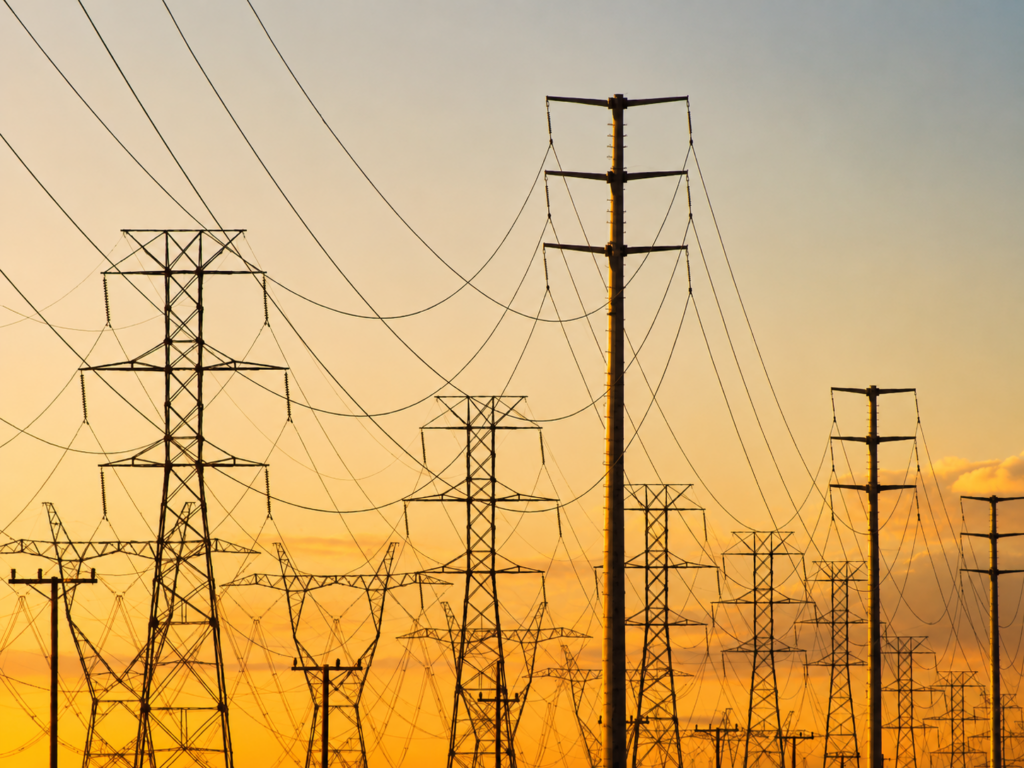
Last week, Heron Power announced plans to invest $100 million in a new California factory producing advanced equipment for the US power grid.
Given the enormous sums being thrown around in AI, it is easy for a $100 million story not to register. But there is an interesting story behind the factory.
Buyers of conventional transformers can now wait as long as four years for equipment. Heron, founded by former Tesla executive Drew Baglino, is betting that the shortage will persist as the US embarks on one of its largest infrastructure builds in decades.
The US power industry is expected to invest around $1 trillion over the next decade. Demand is coming from data centers, renewable energy, batteries, electrification and an ageing grid.
Equipment is already struggling to keep up. Generator step-up transformer lead times reached more than 160 weeks in early 2026, from an average 143 weeks in 2024. Some utilities are ordering equipment five years before they expect to need it. Developers are signing long-term supply agreements and making upfront payments simply to secure manufacturing capacity.
For now, money at the top is plentiful.
One day before Heron’s announcement, Bank of America committed $250 billion to financing US data centers, energy, transport and other critical infrastructure.
But what happens when investment on this scale starts hoovering up equipment, materials and specialist capacity? And what does that mean for everyone else competing for the same resources?
Somebody still has to build it
A billion-dollar infrastructure project eventually turns into cable, transformers, cooling systems, civil works, fibre, electrical installations and thousands of hours of labour.
Much of that work falls to specialist contractors and suppliers. They have to pay people, buy materials and hire subcontractors before their customers pay them. Bigger contracts mean bigger bills. Longer projects mean cash is tied up for longer.
JPMorgan recently highlighted the problem among infrastructure suppliers. Long manufacturing lead times and shifting construction schedules are lengthening cash-conversion cycles, sometimes leaving completed equipment sitting for months before a project is ready for it.
There is a paradox here.
A full order book can make a company’s cash position worse.
The Federal Reserve’s latest Small Business Credit Survey found that 56% of firms seeking finance needed it for operating expenses. Another 46% were financing expansion or a new opportunity. Only 42% received all the financing they sought.
For an infrastructure contractor, the problem is straightforward. Win a large new contract and revenue rises. So do payroll, materials and subcontractor costs. Cash goes out now. The invoice may be paid 30, 60 or 90 days later.
Growth consumes cash before it produces it.
And what if the money slows?
Infrastructure booms do not last forever.
If lenders become more cautious, the effects can move quickly down the chain. Projects are delayed or cancelled. Contractors lose future work. Suppliers are left with excess capacity. Corporate lenders discover that loans made against rapidly growing businesses were also, in part, bets on that growth continuing.
There is an important distinction when it comes to receivables.
A properly verified invoice is financing something that has already happened. The contractor has completed the work. The invoice exists. A customer owes the money.
That does not make the receivable risk-free. But its risk is different from lending against the expectation that today’s extraordinary rate of infrastructure investment will continue.
Take a specialist contractor invoicing a large utility or telecom company. Its own order book could shrink sharply if infrastructure spending turns. But an existing invoice for completed work is principally dependent on the customer paying what it already owes.
That distinction becomes more important, not less, when credit conditions tighten.
TowerCap has long financed businesses in telecoms infrastructure and is expanding its focus across data centers, energy and utilities. Its non-recourse factoring can protect qualifying businesses against customer insolvency, subject to the terms of the facility, while its willingness to consider high customer concentrations is particularly relevant where smaller contractors work for a handful of very large counterparties.
Heron’s $100 million factory is one response to a physical bottleneck. Four-year waits for transformers show just how acute that bottleneck has become.
But perhaps there are two financial questions hidden inside the infrastructure boom.
Who finances the companies doing the work while the money is pouring in?
And which forms of finance are still standing when it isn’t?
You might be interested in

Is America Running Short of Cheap Capital?

Is AI Pulling U.S. Growth Forward?